Revita Reviews: Understanding Skin Tag Support Serum Effectiveness
Understanding Skin Tags: What Are They?
Look, skin tags are those little flaps of skin that seem to pop up out of nowhere, often at the most inconvenient times. You might find them on your neck, under your arms, or even around your eyelids, and they can be surprisingly common.
Research suggests that about 25% of the population may have skin tags at some point in their lives. They're most prevalent among older adults, people with diabetes, and those who are overweight. So, what causes these pesky growths? Well, friction from skin rubbing against skin or clothing seems to be a major player.
A PubMed study indicates that skin tags are benign growths, which means they’re not harmful but can be annoying. The study showed that skin tags are more common in people living in warmer climates, likely due to factors like increased sweating and friction in those areas.
If you live in sunny Florida or hot Texas, you may notice skin tags popping up more frequently as the weather warms up. Keeping your skin dry and free from irritation can help reduce their occurrence.
Understanding what skin tags are and why they appear can help you feel more in control. They might be a common nuisance, but knowing you're not alone makes a difference.
The Emotional Impact of Skin Tags
But here's the thing: skin tags can have a significant emotional impact on people. Many folks don’t realize how much these small skin growths can affect self-esteem and confidence. Ever looked in the mirror and felt self-conscious about those little flaps? You’re definitely not the only one.
Studies indicate that skin conditions, including skin tags, can lead to anxiety and lower self-esteem. People often feel embarrassed or uncomfortable in social situations, which can make them avoid certain activities or even limit their wardrobe choices. Sound familiar?
In a study published in the International Journal of Dermatology, researchers found that individuals with visible skin conditions, including skin tags, reported higher levels of distress. This highlights how something that seems minor can lead to major emotional consequences.
If you're living in a bustling city like New York or an active state like Arizona, it can be tough to shake off that feeling of self-consciousness. Finding ways to cope with these feelings, such as discussing them with friends or a professional, can be really helpful.
It’s crucial to acknowledge the emotional side of skin tags. Recognizing how they make you feel is the first step toward finding support and solutions.
Introducing ReviTag: A Skin Tag Support Serum
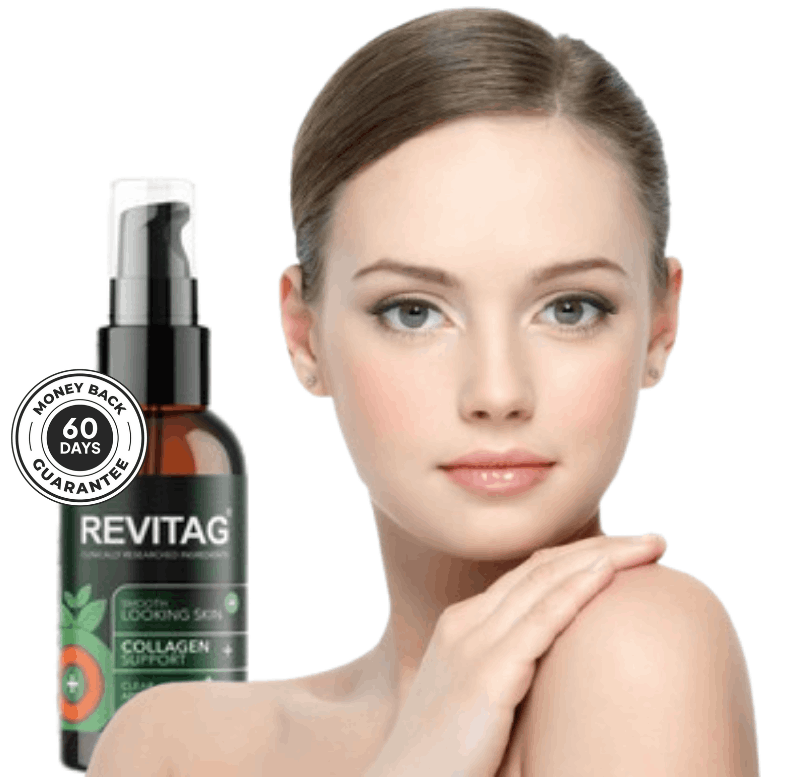
So, let’s talk about ReviTag. This skin tag support serum aims to provide an easy way to manage those pesky skin growths at home. If you’re tired of skin tags and want a solution that fits into your daily routine, this might be worth considering.
ReviTag is formulated with a blend of natural ingredients that may support skin health. Ingredients like tea tree oil, known for its antimicrobial properties, and apple cider vinegar, which may have astringent qualities, are included to help with skin tag management.
Research suggests that these ingredients can promote healthier skin by potentially reducing irritation and inflammation. They can create an environment that may support the skin’s natural healing process, making it less likely for new skin tags to form.
For those living in humid areas like Florida or California, keeping the skin free from irritation is key. This serum can easily fit into your morning or evening routine, so you won’t feel overwhelmed by extra steps.
Ultimately, ReviTag offers a convenient option for anyone dealing with skin tags. It might just be the support you need!
Hypothetical Case Study: Meet Sarah, 45, in California
Let’s introduce Sarah, a 45-year-old woman living in sunny California. Like many others, she’s struggled with skin tags for a while now. They first appeared on her neck and under her arms, making her feel self-conscious during summer when she wants to wear tank tops.
Sarah has tried various over-the-counter remedies to remove them, but nothing has worked. Her frustration grew as she felt like they were just part of her appearance. Can you relate to that feeling of helplessness when dealing with skin issues?
She decided it was time to take action and research more about skin tag support serums. After reading about ReviTag, she felt hopeful. The idea of a product that could potentially help manage her skin tags without invasive procedures was appealing.
Living in California, Sarah is used to embracing the outdoors. However, her skin tags had begun to limit her activities. She was determined to regain her confidence and enjoy her life again. Maybe you’ve felt that way, too—wanting to break free from the insecurities that hold you back.
So, Sarah took the plunge and decided to give a skin tag support serum a try. Her journey toward better skin was just beginning.
Sarah's Journey: First Impressions of ReviTag
Sarah was excited to start her journey with ReviTag. The packaging made it easy to use, which was a relief. She loved that it came with clear instructions, allowing her to feel confident in her application technique.
On the first day, she applied the serum according to the directions. To her surprise, it felt soothing on her skin. Many users report a cooling sensation when first applying the product, which is a nice bonus. Did you know that first impressions really do matter?
Sarah checked online for reviews and found mixed experiences. Some users in Florida swore by it, while others were more skeptical. But her hope was high, and she decided to stay positive. After all, results can vary based on skin type and individual circumstances.
As the days went by, she incorporated the serum into her daily routine. Sarah felt empowered by taking a proactive approach to her skin tags. Many people share that feeling of empowerment when they find a product that works for them.
Overall, Sarah's first impressions of ReviTag were positive. She was ready to embark on this new chapter in her journey.
Tracking Progress: Sarah's Results Over Time
So, how did Sarah’s journey progress with ReviTag? Over the next few weeks, she committed to applying the serum every day, just as the instructions indicated. It was exciting for her to see subtle changes starting to happen.
After about two weeks, Sarah noticed that the skin tags appeared less prominent. They seemed to fade gradually, which gave her a boost of confidence. Studies show that consistency is key when using skin care products.
Throughout her journey, Sarah kept track of her feelings and experiences in a journal. She realized that not just her skin was improving; her mood was lifting as well. The psychological effects of seeing positive changes can’t be underestimated.
Living in California, where the warm weather often calls for sleeveless tops, Sarah felt liberated. She began wearing clothing that she had avoided for years. The joy of feeling free in her skin is something many people yearn for.
By the end of the month, Sarah was thrilled with her progress. The visible changes kept her motivated to continue her journey toward more confident skin.
Common Questions About Skin Tag Support Serums
But what about the burning questions you might have regarding skin tag support serums like ReviTag? Many people are curious about their safety and effectiveness. So let’s dive into some common inquiries.
First off, are these products safe? Generally speaking, most skin tag support serums are formulated with natural ingredients, making them suitable for most skin types. However, it’s best to patch-test any new product before applying it widely. Does that make sense?
Studies indicate that user experiences with skin tag serums can vary. Some people report faster results, while others may take longer to see changes. A recent study highlighted that consistency is crucial in achieving desired outcomes.
If you live in bustling places like New York or Washington, you might want to look for serums that can be easily incorporated into your daily routine. Finding a product that fits seamlessly into your life can make a big difference in your experience.
In summary, while skin tag support serums can be effective for many, it’s essential to manage expectations and give yourself time to see results.
Expert Insights: What Dermatologists Say
Here's the thing: when it comes to skin care, it's always good to hear what the experts have to say. Dermatologists weigh in on the use of skin tag support serums, and their insights can be really valuable.
Many dermatologists acknowledge that while skin tags are harmless, managing them can enhance quality of life. Some experts indicate that skin tag support serums may be a convenient alternative to more invasive procedures like cryotherapy or excision. Have you considered these options?
A scholarly article published in the Journal of Dermatological Treatment discusses the importance of choosing the right products for skin health. It emphasizes the role of natural ingredients, which are less likely to irritate the skin.
If you're in a diverse state like Illinois, where skin types vary widely, it’s crucial to consult with a dermatologist before trying new products. They can recommend options tailored to your needs.
Overall, expert opinions suggest that skin tag support serums can be a viable option for those who prefer to manage their skin tags at home.
Lessons Learned from Sarah's Experience
Sarah’s journey with ReviTag teaches us a lot about skin tag management. She learned that taking action, even with small steps, can lead to significant improvements in both appearance and confidence. Have you ever taken a small step that made a big difference?
What surprises most people is how much emotional well-being is tied to physical appearance. Sarah’s experience illustrates that dealing with skin tags isn’t just about the skin—it’s about how we feel about ourselves.
Throughout her journey, she maintained a positive outlook, which played a crucial role in her progress. Studies indicate that mindset can affect how we perceive results. It’s amazing how a little positivity can go a long way.
Living in a vibrant state like Arizona, where people are often active outdoors, Sarah now feels more comfortable participating in fun activities without worrying about her skin tags. Her story resonates with many who grapple with similar issues.
By sharing her lessons learned, Sarah’s journey highlights the importance of self-acceptance, proactive solutions, and the potential for growth—even when it comes to something as seemingly small as skin tags.
Next Steps: For Those Considering Skin Tag Support
So you're considering options for managing skin tags? That’s a great place to start! It’s essential to take a thoughtful approach to your skin health. You may want to begin by researching available products, like ReviTag, and understanding their ingredients.
It’s also helpful to consult with a dermatologist, especially if you have sensitive skin or underlying conditions. They can recommend the best options for your specific needs. If you’re in busy places like Texas or New York, access to skincare professionals is usually easy.
Incorporating healthy lifestyle habits can also support your skin health. Staying hydrated, eating a balanced diet, and practicing good hygiene are all important. Living in sunny areas like California, using sunscreen can further protect your skin from irritation and damage.
Remember, skin tags are common, and you’re not alone in dealing with them. Many people find that addressing their skin tags boosts their self-esteem and overall happiness.
Taking the first step can feel daunting, but it’s an important move toward feeling your best. You’ve got this!
Key Takeaways
- Skin tags are common and can affect self-esteem.
- ReviTag offers a supportive approach to skin tag management.
- Individual experiences with ReviTag may vary; results take time.
- Consulting a dermatologist is recommended for persistent skin issues.
- A consistent skincare routine can complement the use of serums.